Showing posts with label family. Show all posts

3.27.2012

The Greater Good


The other day a dear chiropractor friend of mine slipped me a film entitled “The Greater Good” and told me to watch it. I went home, fully intending to be bored into oblivion by a tyrannical or severely biased anti-vaccination documentary. I was pleasantly and completely wrong! 


“The Greater Good” is a well-balanced documentary that follows three families through situations involving 'adverse reactions' from vaccinations. It is interspersed with interviews from numerous medical professionals including vaccine developers, pharmaceutical reps, psychologists, behavioral therapists, and pediatricians.

Although the families stories definitely called to the intrinsically emotional mother in me, the information supplied called to my deeper intellect.

My daughter, Briaunna, also reviewed the movie. This is what she had to say: 
The movie was about vaccinations and how they can affect you, good and bad. My initial reaction was anger and pain for the people who were harmed by the vaccines. Helpless children who get vaccinated with, basically, poison. I liked how people are learning more about vaccines… even though many of them have to learn the hard way in order to teach others. I also like how people are learning the true risks of vaccines. 

Did you know that vaccination does not account for the impressive declines in mortality seen in the first half of the century? It was other medical advancements, including learning to just wash your hands (microbiology).

Lately, people have been giving vaccinations to newborns, which really upsets me because I am a baby freak. Also, parents are required to give 69 doses of 16 different vaccines to children. They also put aluminum and mercury in all of the vaccines. Any form of mercury in the body is toxic and can cause damage. 

Did you know that, after 2010, 85 deaths have been reported, all after taking the Gardasil shot?
The only other thought I have is that the government has gotten too much power over us. They say that if you haven’t given your children all of the required shots, you have to go to court and get your shots…. “Or else”. They think that you will endanger your child’s life if you don’t get them vaccinated, which, of course, is all in the way that you look at it. I see more risk to their lives from taking a vaccination, but that’s just me.. and my right to not get vaccines for me or my babies.
The movie covers the historicity of vaccinations, and give us a rare look into the hearts of those who developed them.

At the same time, we hear from the lawyers who defend those families who have been harmed by vaccinations. 

When asked if they believed the business of vaccinations is involved in conspiracy, one astutely replies, "A conspiracy? Yes! But a conspiracy to do good." So much so, that the risks of vaccinations are minimized through government involvement and media bias in order to promote the 'good' that vaccinations provide to the majority.

"The Greater Good" takes a critical look at the government's involvement in implementing and mandating state-wide vaccinations, as well as how individual states are trumping parental and individual rights.
"If the state can force you to put your life on the line, or your child's life on the line, for any medical intervention, then the state has too much power"
Additionally, the movie takes on the very real, very publicly acknowledged fact that many members of our government council also hold shares in the very pharmaceutical companies that create the vaccines which the state promotes. It is as true as it gets: conflict of interest is: when my politicians have a vested financial interest in vaccination pharmaceutical companies. Or, as the movie states:
"the fox watching the chicken coop"
We are given the stats on individual state's exemptions and the bias in media exposure. We are shown the process to bring a vaccine to the public and how 'fast tracking' a vaccination intended for children was foolish. We are given real risks associated with vaccinations, and given a more in-depth look at the studies used to 'prove' the safety and efficacy of vaccination. 

I was, at times, outraged, and other times saddened... I felt I learned so much, even after having done, what I thought, was thorough research on vaccinations... but there were things that still had me dumbstruck and amazed. Just one example: the placebo used in many of these 'safety and efficacy" studies is aluminum, mercury, or a combination of the two!

Some great quotes from the movie that I hope will pique your interest:
"We know that mercury (thimersal) causes neuro-toxicity, there's no controversy about that. Does it cause autism? It contributes to the damage that leads to autism." - John Green III, MD
"There are studies comparing the hair of autistic and non-autistic children. There is much more mercury in the hair of non-autistic children, showing us, at least in part, that there is some genetic precursor that makes some children more succeptible to autism."
 Would I recommend this movie? A resounding yes! Would my daughter? Well, let's just say she is already inviting her tweenage friends over for a 'movie night' at our place - her idea. I recommend this movie to every family who have children, or who will have children, of vaccination age. 

"The Greater Good" does a wonderful job of promoting this one moral: it is not about having you vaccinate or not vaccinate. It is about ensuring that families know the risks, that the studies regarding vaccinations are fair and accurate, and ensuring that vaccines are made to be and required to be as safe as possible.

3.22.2012

Local Hero - and Call for Support

Some of you may know Krenie Stowe, a local pediatrician and friend to many in the Houston area. She is in need of our local and national birthing communities support. Please read here for more information and to consider supporting her during this time in her life. I would love to see us not only help her to pay all of her medical bills, but even pay off all of her debt so that she can continue to be a blessing to other families!

1.11.2012

Beaus and Babes

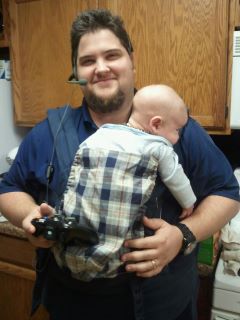
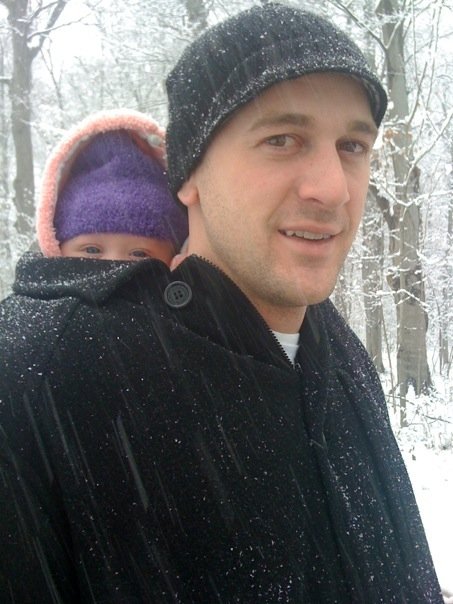
I love a man who wears a baby. Yep, I said it, it's hot!

Blame it on hormones if you want to, perhaps it is the combination of masculine testosterone and the maternal pull of a babies plump face that inclines me to gaze at a baby-wearing man as one would who is desiring to perpetuate the procreation of our species... but, again, it's hot!


Tell me that doesn't melt your girly insides!

Perhaps it is just the opposite attraction of both the brutish and the delicate. I love watching a masculine, rough man, lovingly and tenderly cradle a bub to his chest.

Whether he is walking around the big city.


Hanging with his heir around the house...

http://adventuresofthespencers.blogspot.com/

Or cooking...


Walking in the park...

http://www.needmoreacres.com/
Showing off mad slingin' skills to the camera...

http://www.facebook.com/ThingaMaSling w/ permission from Jenni Allan

Around the town...

http://www.needmoreacres.com/
Even if he is gaming while he does it!

http://www.betweenthekids.com/
In warm weather....
Mario Treadway (Alanis Morisettes husband)

Or cold...

Famous....
Orlando Bloom

Or not...

Starting young...

Or a veteran daddy...
http://www.prettyhandygirl.com/
I love men wearing their babies!

So let's give these daddies a hand; they understand their baby's needs to be loved, snuggled, hugged, warmed, and just plain worn!

10.22.2011

The Weeks Following Birth


The time after birth, also known as postpartum, is a time of great emotional, physical, and mental adjustments. Many women find that they are weepy, emotionally rocky, have difficulty sleeping or taking care of their own needs (bathing, getting ready for the day, feeding themselves, etc..). These are all common as families learn to juggle the new responsibilities of parenting, along with adjusting to the needs and schedules of their smallest members.

There are, in layman's terms, 3 different types of mood challenges that can develop in the postpartum period. These three are the Baby Blues, Postpartum Depression, and Postpartum Psychosis (some in the medical community add a fourth - Postpartum PTSD - that can accompany Birth Trauma).

Many women experience the baby blues in the first few days after childbirth, some theorize an upwards of 75% of postpartum women experience some level of the baby blues. Some symptoms of the baby blues include:
  • mood swings, including feeling sad, anxious, or overwhelmed
  • crying spells
  • loss of appetite
  • insomnia
The baby blues most often peak within the first few days after birth and go away within a few days or a week. The symptoms are not severe and do not need treatment beyond community and relational support. A postpartum doula can greatly help to alleviate the symptoms of the baby blues.

The symptoms of postpartum depression last longer and are more severe. Postpartum depression can begin anytime within the first year after childbirth, although they often manifest within the first month. Postpartum Depression takes on a number of guises and symptoms and can include:
  • the same symptoms of baby blues, but more severe
  • disinterest in things that normally bring you joy
  • thoughts of hurting yourself or the baby
  • not having any interest in the baby
Postpartum depression needs to be treated by a doctor and/or counselor. Some treatments include: community and support groups, homeopathic or herbal remedies, or medications. Postpartum doulas can still be a great asset during this situation and help to transition a woman into motherhood in conjunction with her medical team's efforts.

Postpartum Psychosis is rare. It occurs in about 1 to 4 out of every 1,000 births. It usually begins in the first 2 weeks after childbirth. Women who have bipolar disorder or another mental health problem called schizo-affective disorder have a higher risk for postpartum psychosis. Symptoms may include:
  • hallucinations
  • confusion
  • rapid mood swings
  • trying to hurt yourself or your baby
While many women experience some mild mood changes during or after the birth of a child, 15 to 20% of women experience more significant symptoms of depression or anxiety. Please know that with informed care you can prevent a worsening of these symptoms and can fully recover. There is no reason to continue to suffer.

Women of every culture, age, income level and race can develop perinatal mood and anxiety disorders. Symptoms can appear any time during pregnancy and the first 12 months after childbirth. - From PSI

Additionally, about one in ten new fathers will develop postpartum depression, usually during the first six month's of the baby's life, according to a meta-analysis of findings from 43 studies.
The authors pointed out that a "large body of research on maternal depression documents incidence rates between 10% and 30%," but until now mood disorders in fathers have been largely ignored.  Researchers have hypothesized that there were similarities between maternal and paternal depression, but the available data are based on an emerging and inconsistent literature. - New Dad's Also At Risk for Postpartum Depression
This means that the father/partner of the woman who just gave birth cannot be the sole source of watching for postpartum depression.

As a loving friend, partner, or family member, when you visit with the new parents (or your partner) be considering the following:
  • Are they feeling sad or depressed?
  • Do they seem more irritable or angry with those around them?
  • Do they seem to be having difficulty bonding with the baby?
  • Do they seem anxious or panicky?
  • Are they having problems with eating or sleeping?
  • Do they seem unable to take care of themselves (unkempt or not bathed and not caring)?
  • Do they mention things like feeling “out of control” or like they are “going crazy”?
  • Do they make remarks such as they never should have become a parent?
  • Have they mentioned they are worried that they might hurt the baby or themselves?
Any of these symptoms, and many more, could indicate that either of the new parents have a form of perinatal mood or anxiety disorder, such as postpartum depression. Listen online as Dr. Pauline Dillard, , a specialist in postpartum mood disorders, discusses "Postpartum Depression Part I".

If you believe you or someone you care about may be experiencing some level of postpartum mood disorder, take this short test or this online PPD screening tool, which can help you with an initial assessment, but should not take the place of professional care if you believe that you or someone you know is suffering from Postpartum Depression.

HOW CAN I HELP?
This question is so important, especially to the person being asked. As a friend or loved one of the new parent(s), when you ask how you can help, be sure to mean it. This includes, usually, doing mundane things around the house so that the new family unit can spend time recovering. This also means listening, being attentive, and watchful.

Most new families have quite a bit of support from friends, family, and community for the first 1-2 weeks after baby is born. After that time, support drops off, and this is when families need the support the most.

Listen online as Dr. Dillard discusses "Caring for the Postpartum Family" on the Whole Mother show on kpft.org out of Houston.

As parents preparing for a new addition, consider planning for the postpartum period just as diligently as you do the birth. Additional resources for making a postpartum plan are here and here.
  • Mom, make sure you have a list of people you can call on to be completely honest with your feelings and thoughts about, someone to help you with housework, and someone who will ask the 'tough questions'.
  • Dads/partners you should help make sure there are friends/family/community to help mom when you can't be there, and you should make sure to have a non-judgmental listening ear to be able to talk to as well.
  • Consider making a detailed baby care plan, including who will be responsible for what tasks in the first 2 months after baby is born and who each family member can call when they feel overwhelmed or sad.
  • A postpartum doula in the area suggests writing down chores that need to be done and putting them in a bowl. When people visit, they must draw a slip from the bowl and complete their chore before they are able to hold the baby.

For additional reading or help:
Afterbirth, After Birth
PSI
Jennifer Mudd Houghtaling PPD Foundation
Postpartum Men
Mother to Mother Postpartum Depression Network
Birth Crisis
TABS - PTSD and traumatic birth support
SOLACE - Birth Trauma support center 
Postpartum Care
Postpartum Depression - a handout on how to support someone working through PPD

6.14.2011

Postpartum Rituals


We talk a ton about pregnancy and birth, and even a lot about after birth/postpartum options. But what about rituals and postpartum care for the families healing/lying in time?

This is a great article about postpartum traditions around the world. You could easily adopt one of these or help arrange for something similar for women in your community who are having babies.

I know one of the 'traditions' in my community is to set up a list of women willing to bring meals to the new families every evening for the first 14 days. We deliver ready-to-serve meals that nourish the body and soul, and, as they sit down to eat, we do the day's dishes, sweep the kitchen and clean the counters, fold a load of laundry, or any other number of things. This is a small way in which to ease the transition into familihood.

One of the things I have considered doing for awhile is making a postpartum basket for moms and bringing it to their homes after baby is born... Perhaps this will even become my staple gift for mom's baby showers. Regardless if they choose hospital, home, or birth center births, I think that the items lovingly chosen in this basket could help them on their way to a speedy recovery:
  • Homemade herbal sitz bath - this is an awesome recipe I found online
  • Natural Nipple Cream - this can be made by combining equal portions of coconut oil, shea butter, and cocoa butter, then storing in old baby food jars.
  • Homemade Mother's Milk Tea - this is a great one. Every breastfeeding mama wants to make lots of milk.
  • Lactation Cookies - yummy, nutritional, and easy to snack on when mama needs an energy boost.
  • Washable Breast pads - a great alternative to disposables, with less risk of getting mastitis or thrush.
  • Mom and Baby Massage Oil - This can easily be made with two simple ingredients. 8 ounces of oil (olive, almond, apricot, or sunflower) and 1 ounce calendula flowers. Place the oil and calendula flowers in a crock pot on low temperature for about 4 hours to extract the beneficial properties of the calendula into the oil. Check very carefully that your oil is not getting too hot! Allow the oil to cool and then strain it using cheese cloth, store in a canning jar. Attach to the lid or the body of the jar instructions on mom and baby massage.
All of these projects combined would take me around 4-5 hours in one afternoon to make, and they are so beneficial and healing.

Let's get creative. Who else has good ideas for home made postpartum gifts?

2.21.2011

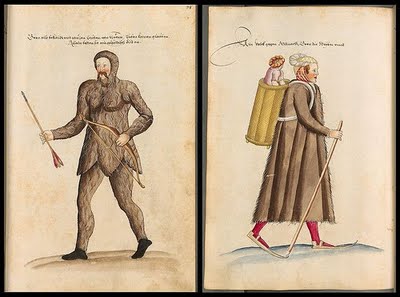
Throughout Time - Throughout the World: Baby Wearing


"It is especially necessary for the parental generation of the human species to fully understand what the immaturity of its infants really signifies: that the infant is still continuing its gestation period, passing from uterogestation to exterogestation. Among the most important of the newborn infant's needs are the signals it receives through the skin, the first medium of communication with the outside world." - Ashley Montagu
Medieval Babywearing - circa 1400
Consider this: a newborn foal is able to stand, walk, and communicate within moments of birth. It is mobile, able to find and nurse from it's mother independent of her assistance. On the other hand, humans are born completely dependent upon their mothers to help them get nutrition, move them from location to location, and keep them clean and cared for.


Essentially, this phenomenon is considered in the childbirth community as 9 months in, 9 months out. Until your child is mobile independent of you, it makes perfect sense to provide a marsupial environment for them. As Maria Blois so aptly said, baby wearing truly does allow for a continuation of the womb-environment.

"Postnatal life should ... be considered a direct extension of prenatal life." - Aletha Solter, founder of Aware Parenting, Kindred Magazine, Dec 2006 - Feb 2007
 
This closeness has so many benefits, not only for the baby, but also for the family unit. It creates ease of which to care for the child, reduced crying, ease of nourishment, and emotional soundness in the home, to name just a few.

circa 1796
"Babes in arms almost never cried and, fascinatingly, did not wave their arms, kick, arch their backs, or flex their hands and feet. They sat quietly in their slings or slept on someone's hip — exploding the myth that babies need to flex to "exercise." They also did not throw up unless extremely ill and did not suffer from colic." - Jean Liedloff, The Importance of the In Arms Phase

Giotto di Bondone 1304-1306
Benefits for Baby
Babies who are worn/carried benefit from a more stable heart rate, more regular breathing (a 75 percent decrease in apneic episodes), longer periods of sleep, reduced stress from unneccessary crying, decreased incidence of crying, healthier immune systems through continuous exposure to their parents and higher oxygen saturation levels, more rapid weight gain, more rapid brain development, better chances of successful breastfeeding, longer periods of alertness, and easier self regulation of body temperature.

"As researchers studied brain wave patterns of infants in kangaroo care, they found two significant things. First, there was a doubling of alpha waves—the brain wave pattern associated with contentment and bliss. Second, they found that "delta brushes" were occurring. Delta brushes happen only when new synapses are being formed. So holding the infant skin-to-skin allows his or her brain to continue its work of developing neural synapses." - Midwifery Today
Benefits for Family
For parents, an increased feeling of early bonding, a feeling of competence and confidence that their baby is well cared for, and less stress on the family because of the decreased crying are just a few of the benefits of baby wearing. Additionally, parents feel able to get more accomplished in the day and report less frustration over early parenting and baby rearing.

Femme du Hartz Portant un Enfant

Additionally, a baby quickly learns their role in the family, rather than allowing for the baby to become the center of the family and communities universe. Likewise, the baby learns about their culture, society, and family rhythms.. equating to a more content and well adjusted child, and more content and well-adjusted family.

"The baby passively participates in the bearer’s running, walking, laughing, talking, working, and playing. The particular activities, the pace, the inflections of the language…. and the sounds of community life form a basis for the active participation that will begin at six or eight months of age with creeping, crawling, and then walking."- Jean Liedloff, The Importance of the In Arms Phase

Throughout Time and Throughout the World
Every culture in the world has known baby wearing in some form or capacity throughout time. Depending on the climate and the mother's role in the family, baby carriers range from small pieces of fabric at the hip, stomach, or back, to full cradle boards carrier on the back.


Many carriers have multi-uses. Native American cultures can remove their cradleboards to keep baby safe and off of the ground while they tend to more arduous tasks, while sling-like carriers have been known to be looped for a hammock-bed for babies. For earlier civilizations, it made sense to carry your baby; the world was full of sickness and predators and baby wearing kept your child from becoming a target of infection, wild animals, poisonous plants, climate exposure (snow, sleet, wind, rain), and other threats to their health.


Likewise, it made it easier for women, whom the family unit relied upon heavily for day-to-day functioning, to return to work much more quickly. They were able to carry about regular chores such as cooking, cleaning, harvesting, skinning, tanning, caring for other family members, and going to market, with their child, who was dependent upon them for food and comfort, in close proximity.


In 1733, William Kent invented a wheeled baby transportation device. In the 1830's, they were brought to America, but it wasn't until the mid 1800's that 'prams' truly became popular.

www.francisfrith.com
Queen Victoria popularized the use of the Perambulator and, as with medication for birth, formula for feeding, and hospital settings for birth, it was soon seen as 'the thing' to provide for any newborn from an upstanding and affluent member of society. As such, baby wearing, breastfeeding, home birth, and natural birth was considered something of the past - something for the lower income classes.

Much to the dismay of many newborns, the die was cast and the majority of babies were no longer carried in Western cultures.


In recent years, though, baby carrying, which never went 'out of fad' in other cultures, has been making a come-back in Western culture. Ann Moore created a new carrier in 1969 after having seen African women carrying their babies. In 1981, Rayner Gardner created the ring sling for his wife and their baby.

www.thebabyhammock.com

But, it wasn't until 1985, when William and Martha Sears began baby wearing their youngest, that baby wearing began to truly gain recognition in the United States. Coincidentally, the Sears' also coined the term “babywearing”.


Unfortunately, it has been hard to break the stigmata of baby wearing being a thing for the poor. Thankfully though, with research on our side, many in the childbirth and baby community have been able to present baby wearing to the general public as a beneficial practice to provide for babies.


References (unless otherwise linked above):

11.24.2009

What About Afterward?


We talk a lot about pregnancy and birth on this blog, but what about after baby comes? There are so many options to consider before baby even makes her arrival, from vaccination and circumcision, to breastfeeding and diapering, there are so many things to work through. This post will, hopefully, set you on a course to helping navigate all of the choices in early parenting that you will be faced with.

Immediately after birth, you will have some choices to make. These choices include circumcision, vaccinations, routine baby care, and breastfeeding. We will take a look at each of these and I will provide links to additional online sources after each one.

Cord Clamping
Cord Clamping tends to occur immediately after birth. Doctors want this to occur for a number of reasons: to hasten the birth of the placenta (traction on the cord stump), to finish a patient's care quickly, to be able to separate baby from mom to complete newborn assessment and routine procedures, and because they may fear jaundice as a result of delayed clamping. Let's address the last reason first because it is the only important one, the rest are only for convenience of the doctors: regular physiological jaundice results from delayed clamping, whereas other types of jaundice (premature, breastfed, or Rh) are not due to delayed clamping.

There are many reasons to WAIT (even if it is only for 2-3 minutes) to cut the cord. The blood in the placenta rightfully belongs to the baby, and babies not receiving this blood have the deal with the equivalent of a major blood loss or hemorrhage at birth. It is estimated that early clamping deprives the baby of 54 to 160 ml of blood, which represents up to half of a baby’s total blood volume at birth. To prevent anemia, the iron in the cord blood is vital to babies early health. Babies benefit from the increased oxygen available to them from cord-blood while waiting to take their first breaths. Earlier cord iclamping increases the incidence of respiratory distress syndrome. The last cord blood acts as a source of nourishment that protects infants against the breakdown of body protein.

For more information see below:
PubMed
Cord Issues
JAMA
Reuters

Erythromycin
This is the eye goop that they put in baby's eyes right after birth. This ointment is an antibiotic given to prevent ill effects of Chlamydia, Syphilis, or gonorrhea, so if a mother knows she does not have these infections, she might choose to refuse this intervention all together. BTW, if you or someone you know is expecting to give birth in the next 4 months, you may want to doubly consider skipping this treatment because there is a shortage of the Erythromycin eye ointment that is normally used for newborns, so many birth facilities are using substitute ointments without warning parents that there are increased risks of the side effects associated with Erythromycin.

If a parent (mother or father) has an allergy to antibiotics in this class, a baby's risk for side effects/allergic reactions increases. The ointment does cause the eyelids to become red and puffy for about 12-24 hours, as well as blurring their vision. Risks include: Severe allergic reactions (rash; hives; itching; difficulty breathing; tightness in the chest; swelling of the mouth, face, lips, or tongue); bloody stools; diarrhea; stomach pain, as well as less severe reactions (blurred vision, skin irritation, peeling). The ointment is not supposed to sting the eyes. Many families who choose to have the erythromycin applied to their baby's eyes choose to wait for 2 hours postpartum, so that early infant/mother bonding can occur without inhibition of cloudy vision.

See below for more information:
Drugs.com
Clinical Trials

Vitamin K Injection
The vitamin K injection is a routine injection give
n to all newborns. This is because babies are born, for the most part, without Vitamin K, a component necessary for blood clotting, so that cells can divide and multiply during gestation. Historically, newborns began getting Vit K shots when circumcision and forceps deliveries became routine. Additionally, at that time they found that some babies suffered from HDN (blood clotting disorder - brain bleeds). We now know that there are two types of HDN:

Early onset
"Classic" HDN (also called Vitamin K Deficiency Bleeding) occurs in the first week of life. It is an iatrogenic condition, meaning that it is caused by medical care:
  • premature clamping/cutting of the umbilical cord deprives babies of up to 40% of their natural blood volume, including platelets and other clotting factors
  • the use of vacuum extractor or forceps often causes bruising or internal bleeding, which uses up the baby's available clotting factors
  • the use of antibiotics inhibits the baby's generation of clotting factors
Late-onset HDN (true HDN) occurs in specific circumstances:
  • maternal medications interfere with vitamin K, such as anticonvulsants, anticoagulants, and antibiotics
  • infant antibiotic use
  • infant liver disorders (more prevelant when there is a history of liver disorders)
  • infant diarrhea, hepatitis, cystic fibrosis (CF), celiac disease, and alpha1-antitrypin deficiency
In these situations, if your baby is born by vacuum or forceps assistance, or if you are planning ton have your newborn circumcised before discharge, Routine Vit K is wise.

OTOH, the other side of the deba
te is that babies are born without Vit K for a reason. Levels are adequate by 8 days after birth (the same day that Jewish/Christian God said to circumcise Hebrew boys), but they continue to increase for the first six weeks of life.

Studies show that there is an increase risk of
childhood leukemia in children who have received the vitamin K shot as newborns, erythrocyte aggregation, jaundice and kernicterus, flushing, sweating, a sense of chest constriction, peripheral vascular collapse, and nerve or muscle damage at the injection site.

Other options are to use oral Vit K drops throughout the first few weeks of life (to baby), or increase maternal diet of green leafy veggies or vit K supplement to transfer from breastmilk to baby.

See below for more information:
Administration of Vit K To Newborns
To Inject Or Not
Making Informed Choices

PKU
The Newborn Screening Test (aka PKU test) is an analysis of the baby's blood to look for evidence of certain genetic diseases or inborn errors of metabolism. The test is performed by collecting a blood sample from the baby onto special paper, which is then sent to a laboratory for analysis of red blood cells, hormones and metabolic by-products to assess whether the findings are outside the normal range.

This is "law" in every state (I believe, verification of your personal state is appreciated) although you have a right to refuse any treatment or test. Typically, baby is taken to the nursery, the heel is warmed with a heat pack, and then the nurse or doctor will perform a heel stick and collect blood samples from the heel. Alternatives are: to refuse the test outright, to require babies collection to be done in your presence, while nursing or soothing, or to use a more humane device.

There is low risk of infection, a small risk of nerve damage at the collection site, and the risk of the breastfeeding relationship being disrupted and/or emotional trauma.

See below for more information:
Newborn Screening Test

Medline Newborn Screening
March of Dimes Newborn Screening


Breastfeeding
Breastfeeding is an option for every woman who gives birth. Breastmilk is the best nutrition for a newborn/baby. It is normal and natural, BUT many women encounter obstacles along the way because, even though it is normal and natural, it is not always easy. Some hurdles that might be encountered: nipple confusion, low milk production, inverted nipples, mastitis, tongue tie, high cleft, plugged ducts, and engorgement.

Nearly all breastfeeding hurdles can be overcome by support, lactat
ion consultation, special attention or apparatus'/treatments, perseverance, and encouragement.

Breastfeeding success can be inhibited by: premature introduction of a bottle or pacifier, formula supplementation or introduction, medications of mom or baby, prematurity, or recovery (from cesarean or other surgery). Avoiding these situations, if possible, can greatly increase your breastfeeding success.

Benefits of breastfeeding to baby include:

  • Less chance of obesity - Longer periods of breastfeeding greatly reduce the risk of being overweight in adulthood as well as reduces the risk of adolescent obesity.
  • Healthy teeth, eyes, and ears - Formula-fed babies tend to run a higher risk of jaw misalignment and are more likely to need orthodontic work as they get older. Breastfeeding improves the development of facial muscles and the shape of the palate. Breastfeeding reduces the incidence of ear infections and vision problems.
  • Overall Health - breastfed babies have a reduced risk of severe upper respiratory infections, wheezing, pneumonia and influenza. They have less risk of diarrhea, gastrointestinal infections and constipation. Formula feeding carries a four fold increase in risk for SIDS.
  • Intelligence/Coping - breastfed babies tend to score higher on IQ tests and cognition testing. Breastfed babies also tend to be more vertical in the corporate world later in life. A recent study indicates that breastfed children cope better with stress later in life. The bonding rather than the breast milk is a likely explanation.
  • Later Life - Formula-fed babies have a raised risk of heart disease, juvenile/type 1 diabetes, and multiple sclerosis. Recent research indicated that breastfeeding can postpone allergies and asthma. Breastfeeding may also play a role in preventing digestive diseases, such as ulcerative colitis and Crohn's disease, as well as childhood cancers including leukemia. Other studies indicate a reduce risk for both eczema, food allergy, and respiratory allergy--throughout childhood and adolescence.

Benefits to Mom:

  • Less Fatigue - women who nurse report being better rested, less stressed, and more content. This is because of a number of factors and include: no need to prepare formula/bottles, the ability to readily access nourishment for a child during nighttime feedings (which allows a woman to do this as second nature and not fully rouse), the hormone prolactin releases olfactorily, soothing a stressed mama and family members and promotes a feeling of overall well being.
  • Weight Loss - While nursing, you will burn an additional 500+ calories every day. So, unless you continue to "eat for two", the breastfeeding may help you loose weight. The 'spare tire' around a woman's waist is actually a 'milk store' a fatty deposit that nature gave women to sustain her milk production in hard times. Women who nurse tend to loose more of this spare tire, which would otherwise continue to be a 'problem area' throughout her life.
  • Uterine Health - The hormone oxytocin, which is released in your body during breastfeeding, helps the contraction of your uterus back to normal. Besides looking pregnant for a shorter time period after giving birth, this also means that you may have a shorter postpartum bleeding. Some studies suggest that this also reduces uterine risks later in life including prolapsed uterus, the rate/necessity of hystorectomies, and the like.
  • Cancers and Longterm Health- Some studies indicate that the risk of getting both breast and ovarian cancer is reduced through breastfeeding. Some studies even indicate of lower incidence of osteoporosis later in life among women that have breastfed.

Breastmilk contains:

  • Protein in breast milk is mostly whey, which is easier to digest than casein (main protein in cow's milk). Protein of breast milk has high amounts of amino acid taurine, which has an important role in the development of the brain and the eyes.
  • Fats - These fats are nearly self-digesting, since breast milk also contains the enzyme lipase, which breaks down the fat. Fat is the main source of calories for babies, something babies need to continue postpartum growth and development. Also, fat in human milk has large amounts of omega-3 fatty acids, important for brain development.
  • Vitamins and minerals - in human milk are bioavailable-meaning they get absorbed well. Breast milk contains substances that enhance the absorption of minerals and vitamins.
  • Stem Cells - Breast milk is the only adult tissue where more than one type of stem cell has been discovered. That is very unique and implies a lot about the impressive bioactivity of breast milk and the consequential benefits to the breastfed infant (see this article for more great information)
  • Immune boosters. breastmilk continually passes millions of white blood cells to baby to help baby fight off all kinds of diseases. Also, when mother is exposed to a germ, she makes antibodies to that germ and gives these antibodies to her infant via her milk. Breast milk also contains factors that prevent microbes from attaching, and a long list of other antiviral, antibacterial and antiparasitic factors.
"Even more amazing, if a baby contracts an illness that mom has not been exposed to previously, he will transfer this organism through his saliva to the breast, where antibodies are manufactured on site and then sent back to baby via the milk to help him cope. ... Mothers who wean their babies from the breast during the first and even second and third years of life often notice that their child becomes sick more than before, or for the first time." Examining the Evidence for Cue feeding of Breastfed Infants by Lisa Marasco and Jan Barger
  • Hormones and enzymes. Breast milk has lots of digestive enzymes, and also many hormones. These all contribute to the baby's well being.
See below for more information:

Dr. Sears on Breastfeeding

Womans Health


Vaccinations
Vaccinations definitely have benefits, and there are stark risks as well. This, like circumcision, is a touchy subject.

The wonderful thing is, there are options. Your options include selective vaccination, delayed vaccinations, and no vaccinations.

Some things to consider when making your decision:

  • Immunizations provide long-term immunity, not lifetime immunity.
  • Breast-feeding protects the child from diseases (excluding pertussis) through the mother’s immunity. Some advocates of delayed vaccination state to wait until baby is weaned.
  • Vaccination protection: typically, the 1st shot in a series provides full immunity to 70% of the population. The 2nd shot in the series brings it up to 80% & the 3rd to 90% of the population.
  • All vaccines carry some risks, these risks are compounded the more vaccines a body recieves.
  • The polio vaccine has been shown to, in some cases, cause polio.
  • The mumps vaccine has been shown to, in some cases, cause meningitis, febrile convulsions and epilepsy.
  • The HPV vaccine has been shown to cause high incidences of: death, paralysis, thrombosis, lupus, blood clots, fainting, stroke, siezures, long term dissabilities, and there is a question as to, longterm, if it will cause infertility issues.
  • Questions as to vaccines correlating with the increased incidence of autism in developed countries routinely vaccinating.
  • Vaccines can cause allergic reactions/sensitivities to certain foods like eggs & gelatin as well as certain medications (antibiotics). While preexisting severe allergies to eggs, gelatin or antibiotics can result in severe deadly reactions to a vaccine containing these substances.
  • Consider the risks of contracting the disease in your decision to immunize your child. High risks include overseas travel, frequent plane or bus travel, day care or school, or your personal job exposure to vaccination diseases.

There are many options, and I recommend families reviewing the evidence for what is the best for their families.

See below for more information:

Center For Optimal Health

NVIC

Dr. Sears and Vaccinations

Circumcision
Circumcision is a very touchy subject for families. There are pros and cons on each side of the fence and has to be a subject/decision that families are confident in BEFORE it is performed. If, for any reason, there is dissension over circumcision, it is best to NOT have it done until all parties are in agreement. Culturally and religiously, there are arguments in favor of the procedure. As a routine surgery, the AAP discourages it.

Complications can arise, and do in about 3% of all circumcisions, and include: rash or irritation, poor cosmetic appearance, bleeding (hemorrhage) and/or infection, and complications due to faulty surgical technique (Buried penis (also called denudation - penile shaft buried below the surface of the pubic skin), Chordee (abnormal downward bend of the penis), Meatal stenosis (narrowing of the urine channel [urethra] at the top of the penis), Skin bridges (foreskin reattaching to the glans), and Penectomy (accidental partial or complete penile removal)).

It is a permanent procedure that cannot be reversed and is often times not covered by insurance. The procedure takes anywhere from 5-15 minutes.

The procedure- The baby is placed on his back with his arms and legs restrained and the penis and surrounding area are cleaned. A local anesthetic (e.g., cream applied to the skin, injection to the shaft or base of the penis) is used to prevent pain. Anesthetic cream takes effect in about 20-40 minutes. The injection takes less time to work, but the aftereffects may last longer. Sometimes the baby is given a sweetened pacifier to reduce stress (sweetie). The foreskin is pulled down (retracted) from the head of the penis and clamped in place using a metal or plastic ring. If a metal ring is used, the foreskin is cut off and the ring is removed. An antibiotic cream is applied and the penis is wrapped in loose gauze. Healing usually takes 5 to 7 days. If a plastic ring (called a Plastibell) is used, the foreskin is slit and wrapped back around the ring. A piece of thread (suture) is tied around the cut foreskin, pushing it into a groove in the plastic. This is left on the penis for 5 to 7 days, after which it falls off, leaving a completely healed circumcision. An antibiotic cream is applied to the penis.

There are DEFINITE benefits to leaving the prepuce intact, and would refer you to the video below for a full disclosure of that. Please take the moment to watch this video, whether or not you choose to circumcise, so as to be fully educated and make an informed decision about the process.

Several studies have been performed to find out if there is a medical benefit to infant circumcision. The American Academy of Pediatrics (AAP) says the benefits of circumcision are not significant enough to recommend circumcision as a routine procedure and that circumcision is not medically necessary.

A recent AAP report stated that circumcision does offer some benefit in preventing urinary tract infections in infants (which is easily treatable with antibiotics and occurs less often when the foreskin (prepuce) is left alone (not retracted to clean)). Circumcision also offers some benefit in preventing penile cancer in adult men. However, this disease is very rare in all men, whether or not they have been circumcised. Circumcision may reduce the risk of sexually transmitted diseases. Although a man's sexual practices (e.g., if he uses condoms, if he has more than one partner, etc.) has more to do with STD prevention than whether or not he is circumcised.

Study results are mixed about whether circumcision may help reduce the risk of cervical cancer in female sex partners, although this information is again skewed as to the male partners sexual practices as the cervical cancer is often a result of HPV.

Other arguements are social pressures: wanting a child to look like his father or male role model, not wanting a child to be made fun of growing up, wanting a child to 'fit in'. These arguments, IMHO, are not solid enough to base a decision to alter another persons reproductive organs on. No two penis' look alike, so the 'look like his father' argument is null and void - a child will have no issues with this discrepency as long as the father does not show any angst regarding his sons penis. The last two arguments are becoming a non-issue as more and more American males are not being circumcised. America, Canada, and the Middle East are the only locations where circumcision is prevelant, rate of incidences in the order listed.

Finally, taking into consideration all of the above information, we would be wise to think twice about the implementation of this procedure routinely.

See below for more information:

Family Doctor

-------

Well, I hope that the above information arms families with the starting point to begin to make the earliest choices for their children's healthcare. For more great reading, see below:

Parenting and Baby Care
Online Resources:

Books:
  • The Baby Book, Sears
  • Mothering the New Mother, Placksin
  • The Year After Childbirth, Kitzinger
  • You and Your Newborn Baby, Linda Todd
  • The Happiest Baby on the Block, Dr. Harvey Karp
  • The Year After Childbirth, Sheila Kitzinger
  • Your Amazing Newborn, Marshall and Phyliss Klaus
Breastfeeding
Online Resources:
Books:
  • The Nursing Mother’s Companion, Kathleen Huggins
  • *The Womanly Art of Breastfeeding, Anwar Fazal
  • The Breastfeeding Book, Sears
  • Nursing Mother, Working Mother, Gale Prior
  • So That’s What They’re For! Breastfeeding Basics, Janet Tamaro
  • The Ultimate Breastfeeding Book of Answers, Newman and Pitman
Maternal Support, PTSD, and Birth Trauma
Online Resources:
Books:
  • This Isn't What I Expected: Overcoming Postpartum Depression, Karen Kleiman
  • The Postpartum Husband, Sandra Poulin
  • The Mother-To-Mother Postpartum Depression Support Group, Sandra Poulin
My hope is that every woman can be confident of her educated decisions as a mother! Here's to full and informed consent (refusal).

LinkWithin

Related Posts Plugin for WordPress, Blogger...

Total Pageviews