Showing posts with label baby. Show all posts

8.25.2017

Hurricanes and Babies

“To describe my mother would be to write about a hurricane in its perfect power.” - Maya Angelou


As a doula, I can't think of any better way to describe the great storm that is labor - growing and encompassing, opening and clearing the way for a new life.

As Tropical Storm Harvey gears up to shake, rattle, and roll Texas, I thought it might be prudent to get some Pregnancy Hurricane Preparation into my clients hands.

If you aren't planning to evacuate for the storm, here's a best odds for staying safe in the storm: 

  • If your plan had been to labor at home for as long as possible, know that that plan should change and travel should probably be considered earlier in labor. 
  • This website will help people in the Houston area to know which roads are closed for high water. This will enable you to map the best route more efficiently. https://traffic.houstontranstar.org/roadclosures/roadclosures.aspx?typ=hw
  • Map out where your nearest hospital with L&D, your local ems, and fire departments are, just in case it's needed, and post it on your fridge. 
  • Stock up on snacks and especially water, as water in general, and especially clean water can be scarce. 
Supplies Checklist for Pregnant Mothers:
  • Comfortable traveling clothes, including closed toe shoes
  • Food (nutritious snacks like protein bars, nuts, dried fruit, and granola) and water for 1 week and 1 week supply of medications
  • Printed medical records, in case you need to go to another hospital
  • Phone and Chargers
  • Full tank of gas
  • Emergency birth supplies, such as clean towels, sharp scissors, infant bulb syringe, medical gloves, two white shoelaces, sheets and sanitary pads
In case of an emergency, exclusive breastfeeding will provide the best protection for your baby. It doesn't require water, sterilization of any equipment or water, and doesn't require a heat source - lowering risk for baby during emergency. If you cannot breastfeeding, you should try to get single serve, already prepared formula. If you are a mom who relies on pumped milk, learn to express your milk by hand and have a few syringes and/or disposable cups on hand that you can feed your baby with.

Additional Resources:

http://www.marchofdimes.com/pregnancy/stayingsafe_disaster.html

http://www.marchofdimes.com/baby/environment_disaster.html

http://www.nhc.noaa.gov/

http://www.mymidwife.org/Guide-to-Emergency-Childbirth

9.11.2014

Newborn Babywearing

In the coming months you will see a lot of guest blog posts from local mommies, business professionals, and advocates in the Houston area. I hope you enjoy finding out more about our community, I know I did!

This is a guest post from our local babywearing experts at Woodland Babies!
You have been carrying this tiny life around inside of your body for nine months, and then...birth. What is next for this precious child whose life has just begun, and been disrupted, all in the same moment?  Your womb was the ideal place for your baby. The temperature was perfect. The nourishment, complete. Baby was instantly soothed by your movements, while simultaneously lulled by the sound of your heartbeat.
Your maternal instincts took over once your baby was born. You held baby so close, breathed in that newborn baby smell, and gazed at that perfect face for hours. But yet the gap remains. Baby was so secure in the dark warmth of your body, but being earthside is bright, cold, and distracting.  Keeping your new baby close is instinctual and babywearing helps both you and baby transition into the new roles you are still defining.
Whether you are needing baby to be close, baby is needing the sound of your heartbeat to feel secure, or you just need to make lunch for your other two kids, babywearing can be a wonderful parenting tool. When baby is wrapped on your chest, in a similar position to that of holding them, your hands are free to drink a glass of water, read a book to another child, or even to take a picture of that sweet sleeping creation that you made. Babywearing is not just about multitasking. It also allows you moments of extra close snuggles. It helps you to capture those wonderful smells of fresh baby hair, glimpses of that creation that will be forever etched into your memory, sound asleep, cheek smooshed on your chest, those eyelashes, pursed little lips, perfection.
Babywearing can also help to calm the fussiest of babies, as if they were back in the womb. In a baby carrier, babies are secure, they are close, and your movement is a soothing rhythm that instantly calms. The rise and fall of your chest helps them to regulate their breathing, and being in an upright position can help to relieve colic as well.
There are a few thing to keep in mind when wearing your tiny new one. It is recommended that babies be worn upright, tummy to tummy, similar to the way you would hold your baby in your arms. When in this position, baby will naturally uncurl and their legs will go into a froggy like position, with knees above their bottom. Baby should not be squished or compressed and baby’s chin should be one to two finger widths off of their chest. 
Newborn babies typically don’t snore, so if baby is making sounds, check positioning and readjust as needed. Just like you would have your car seat checked for safety, babywearing meetings, classes, and workshops can be a great place to make sure all is well. They are also a great place to meet other mamas and lifelong friends.

All in all, babywearing is not only a way to hold your baby, it is a useful tool in your parenting arsenal. Use it carefully, wisely, and often! 


Mary is a mother to 3 little ones under 6 years old, one of three owners of Woodland Babies, and Vice President and Volunteer Babywearing Educator for Babywearing International of Greater Houston. When she isn’t babywearing, she enjoys hot coffee and napping. 

You can find her at her website: www.woodlandbabies.com or on facebook: www.facebook.com/woodlandbabies

12.11.2013

How to (Not) Spoil a Baby


Spoil is defined as: "diminish or destroy the value or quality of"

You cannot spoil a baby.

In fact, when I visit women and their partners postpartum, I fully expect to hear some version of the following:

“She's only happy when I carry her in my arms. The minute I lay her down, she starts crying."

“He cries every time we put him in his swing.”

“She only sleeps when she is either on one of our chests, or snuggled in our arms.”

“He seems to only either want to be held or nursed. I can't get anything else done."

Do you know why these comments are so common? Because this is common behavior for a baby. Newborns act that way because it is newborn behavior. And sometimes, understanding that, and why they do, can help new parents to accept this as part of an important developmental marker.

Don't get me wrong, everyone wants to get back to 'normal'.. but you know what? Your old normal will never again be your normal. Your new normal is defined by baby and your needs as baby and parents. The sooner you accept this, the better you can all learn to adapt to your new normal.

Hope on over and read the Fourth Trimester - an awesome article! Or call up Celina from the Houston Doula Cooperative. She is an amazing postpartum doula who can help make the transition to 'new normal' all the easier.


4.03.2013

Creamy

vernix caseosa, aka baby cold cream

Oooh lovely! When I see a brand new newborn, fresh from the womb, the first thing I think of is 'look at that perfectly lovely baby!'. Now, the average American would respond with 'What??! Clean that baby up, ick!'.

Not me, though, no ma'am! Vernix Caseosa is a marvelous mixture of skin oil and dead cells that baby shed while in the womb. Yes, even oil and dead cells are beautiful... when you consider that this helped to protect him from dehydration and now, while outside the womb, acts as an antioxidant, temperature-regulator, antibacterial (working against E. Coli, GBS, and other bacteria), wound super-healing, cleansing, and moisturizing cold cream.
"... the innate immune proteins found in vernix and amniotic fluid are similar to those found in breast milk. As the baby prepares for extrauterine life, pulmonary surfactant (a substance produced by the maturing fetal lungs) increases in the amniotic fluid, resulting in the detachment of vernix from the skin. The vernix mixes with the amniotic fluid and is swallowed by the growing fetus. Given the antimicrobial properties of this mixture, the authors conclude that there is “considerable functional and structural synergism between the prenatal biology of vernix caseosa and the postnatal biology of breast milk."
Amazingly, we have been provided with our own personally, genetically, specifically formulated cold cream from the moment of birth that will prevent peeling of newborn skin as it acclimates to the extra-uterine environment, as well as protects against all the icky stuff it might encounter out here! Heck yeah, I love vernix!

meconium vernix

While we are on this subject, all of you mother's can attest to this: that newborn smell, that uniquely, only one-in-an-ever smell that was only your own babies? That smell comes from the vernix, as that unique smell is concocted from the oil your baby produces for his own skin and the amniotic fluid that he was floating in for 9 months.

vernix + newborn rolls = cream cheese rolls

Vernix Caseosa begins to build up around 27 weeks. Preterm babies tend to have more vernix than full term or fuller-term babies, and it is no mistake of nature that this occurs, preterm babies need the vernix' specialized properties even more than full/er term babies do, although all benefit from it.

lovely

Shortly after birth (a few days - although longer if you choose not to bathe baby too soon), baby will start to loose that newly newborn smell, although you will still be able to smell your 'uniquely yours' baby smell to some extent. Prolong it as long as possible - that's right, sniff that newborns vernixy body - it helps with bonding, attachment, lactation, and mood stability in those first few day postpartum.

Consider holding off on the newborn bath, especially if you are planning on a hospital birth. Rub that vernix in, relish in your babies amazing built in defense system, and sniff that baby!

1.01.2013

Circumcision Information

Circumcision.

I have blogged about circumcision a few times before. On Circumcision, What About Afterward, How Do You Decide, and Live Journal Rant are my prior posts.

This is usually a very touchy subject, but one that I cover with the families that I work with. I never used to, but I have found about 1/2 of the families that do circumcise end up regretting it. SO.. with that said.. I hope I don't offend.

Below, you will find some information I share with clients and friends.
Additionally, there are some great video resources to take a look at.

Penn & Teller Documentary - a humorous (and very colorfully embellished) video on circumcision and good solid information about it. It shows a GRAPHIC circumcision at 2:02-2:11 and 19:49-19:56.. other than that, there is no other procedures shown. 22:37-23:40 and 24:13-18 shows an adult restored foreskin and 23:40-23:52 shows a topless woman. Sorry, lots of disclaimers.
Function of the Prepuce - an educational piece on the biological and sexual function of the foreskin.

10.03.2012

WITH child


 I have had the honor of reviewing Howard Schatz' photographic book entitled "WITH child".

The hard-cover book itself is 176 pages of stunning pictures of the pregnant form.

In the brief months of a woman's pregnancy, the female form takes on a shape that has, for centuries, been a subject of artistic study. Acclaimed photographer Howard Schatz has captured the biologic sculpture of the pregnant body with his eighteenth book, With Child.

In her introduction to this monograph, renowned photography critic Vicki Goldberg writes, "In Schatz's studio, all subjects are transformed: one to alabaster; one to marble; another to bronze; one to an Arp; another to a dark etching, and still another to a fantastic zebra-like sculpture". These images go beyond a particular stage of the body's life into an exploration, and a conversion, of forms, at times verging on abstraction. They serve as points of departure: what can the pregnant body be while it remains itself? - Amazon Description
Schatz' study of the pregnant form spans 20 years and includes stunning black and white photographs of  pregnant women, new mothers, and their infants. He is a genius of lighting, texture, and form - creating awe-inspiring, breathtaking works of art from the human canvas. The captured images are dramatic, sometimes soft and pure, sometimes unnerving, other times dark, always powerful.
"It was biologic sculpture," Schatz says. "I'm interested in everything about the body. I'm interested in the body as a structure, and I'm interested in its psyche. And if it was going to be about sculpture, I didn't need it to be about skin. I'd rather it had been about stone or marble or some inorganic material. Color documents what's there, and black-and-white leaves room for interpretation. I wanted it to be about sculpture, and I did everything I could to make it be about sculptural. You see, I painted people, I did strange things to their bodies, I projected light on their bodies."
Graceful, pure, powerful, primitive, goddess... these are all words that came to mind while flipping through the pages. He captures dancers, acrobats, performers, and the everyday woman. They are frozen in time in leaps, struts, coy turns, full stretches, birthing squats, en pointe, curls, twists, and at rest. It is a celebration of form and beauty, bounty and miracle.

Many bodies are pure, while others are heavily oiled, painted, or textured.

And then the infants are photographed. The circle is brought full as the newborns and, sometimes, their mothers, are photographed. The internal, sensual power becomes an outward expression of love and life. It is breathtaking.
"... perhaps it's a contribution to mankind, hopefully. That would be nice—for an artist to do something to make other people happy. But that's sort of not why I did it. I think if you shoot what you think someone else wants, you're not going to make good images. You've got to shoot what's inside." - Digital Photo Pro
I am so happy to have this book in my library to show other women. It truly shows what's 'inside'. Women who doubt their power, their ability, or their beauty. Women who need a reminder of the miracle that they are taking part in - they will be the ones who will find this work most powerful. Howard Schatz has done a remarkable job accomplishing a masterpiece en pages - this truly is a contribution to (wo)mankind.

To visit WITH child on Facebook

9.12.2012

Everything's Negotiable

Everything is negotiable... and the flip side? Nothing's truly mandatory.

Want to know the #1 thing that drives this doula absolutely nutty? The statement, "____ won't/will let me."

Why?

Well, let's see, IT'S YOUR BODY!

Sorry, was that offensive? What is offensive to me is the concept that our medical care providers have control over our health care and our bodies. That is simply not true! 
"Many women are not aware that they have the legal right to make their own decisions about caregivers, place of birth, medical procedures, treatments, drugs, or diagnostic tests for themselves and their babies. Childbearing women are encouraged to become informed about their legal rights to make the choices that best meet their needs." - Patient Rights at VBAC
Well, I am getting ahead of myself... so, what are these rights?
  • The consent of a competent woman's husband is never required for her treatment.
  • Women have a right to have another woman present during a physical examination.
  • Women can refuse to be examined or treated by anyone.
  • Women have a right to have the father of the child, or another advocate, present during childbirth and delivery.
  • Pregnant women have a right to refuse any medical treatment or drug, including a cesarean section, episiotomy, anesthesia, and pain medication.
  • A woman has a right to change her mind about any decision made before or during labor or childbirth.
  • A woman and her newborn have a right to remain in a hospital up to 48 hours after a vaginal birth and 96 hours after a cesarean section (your goal, however, should be to get mother and child out of the hospital as soon as it is safe for them to be discharged). - Legal Rights of Pregnant Women from ICAN
Remember that no one is responsible for your healthcare but you. As a parent and woman, you hold the ultimate responsibility for the choices that are made during pregnancy, labor, and postpartum, because you are the one who will be raising the child and have to live with the results of the care you have chosen for them and for your own body.
"American parents are becoming increasingly aware that well-intentioned health professionals do not always have scientific data to support common American obstetrical practices, and that many of these practices are carried out primarily because they are part of medical and hospital tradition." - The Pregnant Patient's Bill of Rights from AIM
With this knowledge, women should start making some of her birthing choices that will affect her birth time during pregnancy. The first step would be considering her options. And the next step is making sure that those options are in line with what she hopes for in birth, and then setting in place her advocates (aka birth team).

For some reason, even when women know what they want out of birth, they don't always choose places or people who will necessarily honor those choices. In those instances, whether it was a bait and switch situation, or mom simply stayed with a practice or place that she knew had policies in place that would not support her choices, it is important that she and her non-birth place-affiliated birth team knows what her rights are.

Every woman has the legal right to informed consent or refusal for every medical treatment that is offered. Even if they say it is policy, that you 'have to', or it is 'non-negotiable'. 

The American Medical Association supports this, “The patient has the right to make decisions regarding the health care that is recommended by his or her physician. Accordingly, patients may accept or refuse any recommended medical treatment.”

The ACOG even says that a woman may decline a physician’s advice or recommendation, even during treatment, based on “religious beliefs, personal preference, or comfort.” Women are entitled to “informed refusal.”

Your legal right to make your own choices for you and your babies health care mean that your treatment in your choice of birth place is your decision. Everything's negotiable, whether or not your medical care provider/place would like to acknowledge it.
  • What about when I sign that consent for treatment form at sign in? Even after you sign that form, you have the right to refuse any particular part of that treatment. Picture the cancer ridden person who is given the option of amputation or chemotherapy, even though the doctor believes one course of treatment will get better results. Every step of the journey is your right to refuse or accept.
  • What about if I already agreed to an IV, epidural, pitocin, cesarean, or nursery stay? At any time during your care, you can change your mind, decline treatment, or nullify any consent forms. 
  • What if they challenge me or threaten me? Then challenge them back and remind them of your rights. If it is really important to you, you have legal rights that they must honor. 

You don't have to go in for that scheduled induction. You don't have to agree to a repeat cesarean. You don't have to consent to continuous fetal monitoring, 'mandatory' nursery stay, or 'mandatory' newborn procedures... even bathing and eye erythromycin.

Be aware though, if you decide to decline any treatment recommended by your care provider, you may be asked to sign an AMA (Against Medical Advice) that states you acknowledge you are taking responsibility for your choices.

Before signing that form, though, you can get a second opinion, as you are always entitled to one. This second opinion may not agree with the first care providers opinion and may save you from having to sign the AMA.

For more information on the Rights of Childbearing Women, see here. Remember, your body, your baby, your right to refuse. 

5.18.2012

Clicking for Breastfeeding

We talk a lot about pregnancy and birth. But, in addition to those very important topics, I love breastfeeding posts. I will literally scour my fellow bloggers sites to find tidbits of wisdom that I absolutely have to share with my readers... so here are my most recently discovered gems.

Nurshable writes a beautiful piece about 'human pacifier's and her feelings on that term. She gives such insight and passion that I was instantly taken back to a time when I, too, found myself breastfeeding my little one 'pretty much straight through the night'. This is a wonderful post on how to change our perceptions on those times when it is sometimes difficult to remember that it is good and positive to breastfeeding on request.
I am not a “human pacifier”. I am what you have a biological and evolutionary need for. I will not devalue your needs by implying that you lack the wisdom and understanding of what those needs are. I will not devalue your needs by becoming frustrated by your refusal to accept something that does not meet those needs. I want you to listen to your body from the beginning, to understand the difference between a healthy need of yours and a pacifying object. To have an understanding that dates back to the beginnings of your time on this planet.. That comfort comes from having your needs met, not from distracting yourself with something pink, pretty and plastic. - Read the rest here.
Bellies and Babies posted a history/art lesson on breastfeeding throughout time and cultures. I know, I know, I snuck myself into this post. But I loved researching and finding all of these beautiful works of art!
From the mythical figure of Philosophia-Sapientia, the personification of wisdom, who suckled philosophers at her breast and by this way they absorbed wisdom and moral virtue... To the Bible drawing parallels between absolute love and devotion, care and comfort as being a woman nursing her child... To the Egyptian goddess Isis, the symbol of motherhood and protection, nursing her son Horus. Breast has always been known to be best! Throughout history, women have been given special time to establish nursing and child caring after birth (such as the lying in time), given special sanction and law to be able to nurse their child on demand in any setting (such as allowance to not make exodus' to birth cities for census), and have been encouraged to nurse. - Read the rest here.
Breastfeeding With Comfort and Joy (which, by the way, I LOVE the book) has a wonderful post on a woman's yearning for her baby after birth. Although it is one of those 'duh' concepts, I love how she presents the information, a plea to hospitals to be more mother and baby friendly, along with great breastfeeding advise.
So I began my search for images of moms and babies skin to skin and/or breastfeeding in the operating room. Recently, with the help of Preparing For Birth, Mother’s Utopia, and Amy Romano of Science and Sensibility, I was alerted to a blog post with a photograph and a mother’s story of meeting her baby in his "birthday suit" in the operating room, and the video below that shows a baby skin to skin with his mom and feeding at birth in the operating room. I posted these and asked for moms’ comments. I am hoping that the images and comments help moms get that yearned-for closeness at birth when possible and that health care personnel become comfortable with the adjustment in procedures necessary to make this happen. - Read the rest here.
BABEs wrote a great post on how to take care of a breastfeeding mama. As mama worries about feeding baby, others should be worrying about nurturing that relationship and loving mama back into health and community.
Share your successful breastfeeding stories and experiences and leave the negative experience or breastfeeding “horror stories” for another person……a new mom is already emotionally full as she processes her birth experience and contemplates motherhood…she is full of desire to be successful at breastfeeding and bonding with her new baby.  Offering stories of challenges may not fill her with the inspiration she needs, especially if she is struggling…..certainly let her know she is not alone even if there are struggles but adding to the list of “what if” and “could that happen to me” worries is probably going to have a negative effect. - Read the rest here.
Banned From Baby Showers recently had a guest post on her blog about her loathing of breastfeeding tents. It was a neat read, I love it when I can read a post and, at the beginning be like 'huh?' and by the end be like 'huh!'. KWIM?
They are bad for breastfeeding moms. They imply you should nurse your baby in them.  In fact, I have been approached at an event while nursing and told there was a breastfeeding tent. I was sitting within eyesight of it. I didn't need to be told.  I have no desire to interrupt my conversation or relocate it somewhere I don't want to be.  Even if I see it as optional, the person who told me about the tent did not.  She thought I needed to be in the tent.This makes the tent more offensive, in my opinion, than the controversial Hooter Hider, or nursing cover.  At least with a nursing cover, I have to pack it in my bag and make the choice to put it on my body.  A Breastfeeding Tent is kinda like having a stack of Hooter Hiders in the corner for "those" breastfeeders.  And empowering someone to walk up and hand me one. - Read the rest here.
Dou-la-la has a phenomenal post (another one of those 'huh's) where she gives another side of the story when it comes to getting off the Medela teat. You have to read it to understand it... and I am not sure how much I can really rally with her, but I must say I totally get her position now and can't disagree.
By way of introductory comments, I first need to hail the revival of Just West of Crunchy, which was rendered out of commission by a terrible crash. Welcome back! Secondly, I'm going to point you in the direction of a Very Important Post: The Problems With Medela. What's that you say? Problems? With Medela? But - they make breastfeeding products! They promote breastfeeding, right? And I love my slick Pump In Style. How can you have problems with them? - Read the rest here.
Dr. Jen talks about good bacteria, the role of breastmilk in immune system development, and that "one" bottle in an amazing post. I can't really even do it justice in a little blurb before quoting her, so I am just going to go onto the quote bit.
In a perfect world, a term, healthy newborn comes into the world vaginally. Again, I want to talk about normal. I know the process doesn't go normally all the time. (And I've talked about this here.) The delivery of that baby close to the anus is critical for immune system development. The healthy, term newborn's gut is sterile (without bacteria) and the bacteria that get into that pristine gut are truly important. During a vaginal delivery, the largely harmless bacteria around the mother's anus are the bacteria getting into the newborn gut. They increase in number, compete for food and space and help coordinate efforts to create a healthy gut for that baby. With the exception of our skin, the gut is the largest immune system organ in our body. Because breastfeeding is normal, what happens to healthy, term newborns who are breastfed is normal. The newborn has a delay in their immune response to bacteria. A delay? To a bacteria? Yup. Normal. After delivery, that newborn gut has many challenges from invaders that may not be friendly. Doesn't seem too smart not to fight back. We all have mechanisms in our body to fight infection. In the gut it's called Gut Associated Lymphoid Tissue (GALT) and it's ready to roll at 19 weeks of gestation. All of the things that make up the GALT are waiting for a specific series of events to occur after delivery, when, if it proceeds normally, will result in a functioning immune system. - Read the rest here.
Timeline of a breastfed baby, written by the Alpha Parent, is a must read for all women intending to breastfeed, their support people, doulas, childbirth educators.. heck, everyone! It is such an easy read, with such positive information, that I have been sharing this post at every opportunity.
However there is a persistent and understandable demand from first-time mothers for information on what is considered ‘the norm’. This is particularly so with breastfeeding, as understanding breastmilk intake is more complex than looking at the oz mark on a bottle. This is a topic rife with large-scale confusion, especially as breastfeeding mothers are in the minority and can often find themselves, and their health workers, comparing their baby with formula-fed babies. Breastfed babies are not the same as formula fed babies. One is fed the milk of its own species; the other is fed the milk of an entirely different species, so it is unsurprising that stark differences can be observed. - Read the rest here.
And finally, for a little more wittiness and humor, check out Modg's 10 Things about Boob Feeding post. She had me snorting my coffee the other morning (yes, sorry Mary, my lovely and guru-like chiro, I was drinking that evil sludge when I was reading it; but you'll forgive me if you click on the link.. promise). It's riotous!
Guess what? It’s world breastfeeding week. That’s where everyone in the world has to find a lactating breast and take a drink. Hooray! In honor of this week of boobs, I wanted to 1) draw you a picture of boobs (and if your boobs are actually that round and symmetrical, I shoot rockets at you. SSSS.) and 2) talk about my experience with breastfeeding and the 10 hidden benefits of breastfeeding that you don’t read about in Lucky Magazine. I know, I didn’t see any in there either. Weird. - Read the rest here.
So there you have it.. my most recent finds on the blog universe. It's a lot of clicking, but I really encourage every breastfeeding mama, mama considering breastfeeding (or preparing to breastfeed), and breastfeeding advocate take a look at these. They are worth the click.

5.08.2012

Baby's First Bath

There are so very many options after baby is born. One of the seemingly less considerable options is to bathe or not to bathe baby in the moments following birth.

Routinely, hospitals encourage families to have the hospital nursery staff bathe their baby within 2-4 hours after birth to 'decontaminate baby' from the messiness of birth.

So, with such a good argument in favor of bathing, why might you want to wait?

Body Fluids

Vernix
Once you bathe your baby, you strip baby of that lovely, antibacterial, antioxidizing, temperature regulating, moisturizing natural super-stuff called vernix. This white cheesy coating that many babies are born with is just amazing!
Vernix Caseosa is a marvelous mixture of skin oil and dead cells that baby shed while in the womb. Yes, even oil and dead cells are beautiful... when you consider that this helped to protect him from dehydration and now, while outside the womb, acts as an antioxidant, temperature-regulator, antibacterial (working against E. Coli, GBS, and other bacteria), wound super-healing, cleansing, and moisturizing cold cream.
"... the innate immune proteins found in vernix and amniotic fluid are similar to those found in breast milk. As the baby prepares for extrauterine life, pulmonary surfactant (a substance produced by the maturing fetal lungs) increases in the amniotic fluid, resulting in the detachment of vernix from the skin. The vernix mixes with the amniotic fluid and is swallowed by the growing fetus. Given the antimicrobial properties of this mixture, the authors conclude that there is “considerable functional and structural synergism between the prenatal biology of vernix caseosa and the postnatal biology of breast milk." - The American Journal of Obstetrics and Gynecology, 2004
Amazingly, we have been provided with our own personally, genetically, specifically formulated cold cream from the moment of birth that will prevent peeling of newborn skin as it acclimates to the extra-uterine environment, as well as protects against all the icky stuff it might encounter out here!-  read the rest here.
And, even if your baby is not coated in the stuff, know that baby always has a thin amount of it on their skin at birth (even if we can't see it)..

Amniotic Fluid

Once your baby is born, baby is also stripped from their lovely amniotic-like smell. This is important for mom and baby. That smell helps baby to latch on, not only for the first trip to the breast, but as long as we don't interrupt that olfactory cue.
This is the most studied input for the Breast Crawl and is believed to be the most important. Babies preferred their mother's unwashed breast to her washed breast, soon after birth. (Varendi et al, 1994). Besides secreting milk and colostrum, the nipple and areola are dense in glands that perhaps secrete attractive odours. Washing could have reduced or eliminated such odours. This is consistent with a previous study (Makin and Porter, 1989) where infants preferentially moved towards a gauze pad impregnated with the breast odour of a lactating woman.

Later Varendi et al (1996) showed that within the first hour after birth, significantly more babies spontaneously selected a breast treated with amniotic fluid than the alternative untreated breast. This attraction appears to be based on olfactory cues. Thus, amniotic fluid augments or overrides the attractiveness of the natural scent of the mother' breast. They postulated that observed attraction to amniotic fluid odour may reflect foetal exposure to that substance (i.e. prenatal olfactory learning). They also suggested that throughout the evolution of our species it was probably common for women to handle their babies themselves during and following delivery. Immediately after parturition, the mother's hands soiled with birth fluids would transfer the amniotic fluid to her breasts when she first attempted to nurse her neonate. This may be observed currently amongst non-human primates. The data presented illustrates the importance of maternal odours for newborn infants. Aside from guiding a neonate's overt behavioural responses, such olfactory stimuli also appear to have a calming effect on the infant and provide a basis for early individual recognition of the mother. - Read the rest here
So, it's a good thing to have that delightfully slippery, wet, wiggly baby placed right on your chest... and then the two of you to hold off on washing for a few feedings, if possible.

Temperature
Many, many babies that are regulating their temperatures just fine on their parent's chests, skin-to-skin, suddenly have a drop in body temperature when they are given a bath. This is simply common sense. Think of stepping out of a shower into a room and feeling chill afterward. It's the exact same concept.

I have heard, over and over, nurses use this as an excuse to bathe the newborn: "we need to bathe the baby to see if they can regulate/maintain their own body temperature.". The downside is that they are creating the very circumstances where a baby might have a hard time regulating their own body temperature.

Study after study has found that skin-to-skin care helps regulate babies body temperature, respiration, and heart rate better than any radiant warmer (heated baby bed) can. This is because mom's body is the ideal temperature for baby and mom will attend to babies needs immediately and decrease the probability that baby is stressed/crying/gasping to be nursed. (see IBC for more information).
So what is it about a mother’s body that makes skin-to-skin care so important? Because of the unique symbiosis between a mother and her baby, a mother’s body is designed to provide the perfect environment for her newborn baby. When a baby is placed on her mother’s chest, the temperature of mom’s body not only keeps baby warm, but helps regulate a baby’s temperature to what he/she needs at that very moment. Some babies are born with the inability to regulate their own temperature. Studies have shown that skin-to-skin care is best for keeping a baby’s ideal temperature. It is often reported that artificial heat from an incubator cannot replicate the effects of mom’s touch. It also has been shown that the temperature for twins who are each placed on one of mom’s breasts are regulated independently, adjusting according to their individual needs! - Read the rest here.
Even with all of this information, though, once babies temperature drops from a bath in a nursery, the nurses will not bring a baby back to mom to be held skin to skin. Instead, they will place them in a radiant warmer and wait for baby to warm up, regardless of babies feeding cues.. this, on average, takes an hour of observation.


Stress
I know most of you have seen this: baby in another bed, in another room, far from the warm bodies of his parents, crying.his.heart.out. After awhile, he simple stops. He gives up. He is tired and distressed, so he goes into preservation mode and simply sleeps.
Babies cry. They cry to let us know that they need something. And when we don't respond to those cries, it causes them undue amounts of stress. Science has shown that stress in infancy can result in enduring negative impacts on the brain. Prolonged cries in infants causes increased blood pressure in the brain, elevates stress hormones, obstructs blood from draining out of the brain, and decreases oxygenation to the brain. Excessive crying results in an oversensitive stress system (likened to a faulty burglar alarm in one book) that can lead to a fear of being alone, separation anxiety, panic attacks and addictions. Harvard researchers found that it makes them more susceptible to stress as adults and changes the nervous system so that they are overly sensitive to future trauma. Chronic stress in infancy can also lead to an over-active adrenaline system, which results in the child using increased aggression, impulsivity, and violence. Another study showed that persistent crying episodes in infancy is linked with a 10 times greater chance of the child having ADHD, resulting in poor school performance and antisocial behaviour. However, if you consistently soothe your child's distress and take any anguished crying seriously, highly effective stress response systems are established in the brain that allow your child to cope with stress later in life.... 
Researchers have shown that although leaving a baby to cry it out does often lead to the cries eventually stopping, the cries do not stop because the child is content or the problem has been alleviated. Rather, they stop because the baby has given up hope that a caregiver will respond and provide comfort. This results in a detached baby. Detached children are less responsive, appear to be depressed or "not there" and often lack empathy. - Read the rest here.
What does this have to do with a newborn bath? Well, if you let the nursery nurses take your child to another room to bath your baby.. or even if baby gets bathed in your room with someone who does this same thing day in and day out, it normally looks like the videos below. And then, after baby has cried and cried through a temperature lowering procedure, then they are left to cry some more (or simply 'go away' by falling asleep) in a radiant warmer to begin that pesky temperature regulating.

This is what a typical hospital bath looks like:

As does this variation, although she has some great things to say in this particular video:


But THIS is what a first bath should be like... 


So with that, I will leave you with this: just sayin',  with all the harm that can come from washing your baby in the hospital, what harm can come from not washing your baby in the hospital? Consider these points when making a decision on how to care for your baby after birth.

4.19.2012

Dirty little disposable diaper secrets

Local doula and cloth diaper guru, Lisa, wrote this great piece on the benefits of REAL diapering!
"Day 4 (April 19th):  Real Simple Real Diapers for Babies – Health benefits
If I mentioned the words sodium polyacrylate to you, would you have a clue what I was talking about?  Probably not.  That’s because it’s not widely used when talking about disposable diapers.

Now, what if I used the words gel beads?  You know what that is, right?  The gel beads are the polymers that absorbs the moisture in disposable diapers, and they are called sodium polyacrylate.

Remember way back, when the risk of Toxic Shock Syndrome was sky high due to a substance found in the super-absorbent tampons?  Sodium polyacrylate is a similar substance!  The last thing I want on my baby’s bottom is something that could potentially cause such toxic bacteria to grow!"

For the rest of the story, see here

4.17.2012

On Circumcision

Your sexual preference for circumcised penises aside, the genitals you chose to have cosmetically, functionally, permanently and surgically altered belong to your son. He may grow up to have preferences different from yours. His future lovers may have preferences different from yours. Your husband's preference differed from yours. As a woman who has been fortunate to have both intact and circumcised lovers, I can assure you that my preferences differ from yours.

Key men in my life would also beg to differ; my partner thanked his mother for "letting him keep" his foreskin. My brother wishes that our parents had told the doctor to leave his alone. It pains me to think about how different his introduction to life outside the womb was from mine, and how I got to keep the body I was born with, but he did not. Circumcised boys will never know what it's like to have a whole sex organ. They will never experience the full range of pleasure they were meant to have, and are likely to lose sensation as they age. Countries with lower rates of circumcision have lower rates of ED. The sensitive glans, meant to be an internal organ and protected by the foreskin, grows calloused from years of rubbing against fabric, and the most sensitive areas of the penis, such as the frenulum, are amputated in circumcision.

As for wanting your son to fit in, a significant percentage of parents are now choosing to "bring their whole baby home," which means many of your son's peers will be au naturale. The stigma around having one's whole penis is fading - as well it should! Why should human bodies in their natural form garner distaste?

As for sexual health (which should be a non-issue for babies and little boys) I recommend that you examine the studies that show that the incidence of sexually transmitted infections is lower in circumcised men. The statistical methodology is flawed. In fact, the rates of HIV infection are higher in the United States, where more sexually active men are cut than in similarly developed regions where intact men are the majority, such as in Europe.
For the rest of the story, see Dr. Momma. If you are in the Houston area and want to know more about circumcision education, request to 'check out' my Circumcision Packet from the lending library.

3.22.2012

Local Hero - and Call for Support

Some of you may know Krenie Stowe, a local pediatrician and friend to many in the Houston area. She is in need of our local and national birthing communities support. Please read here for more information and to consider supporting her during this time in her life. I would love to see us not only help her to pay all of her medical bills, but even pay off all of her debt so that she can continue to be a blessing to other families!

1.23.2012

1.11.2012

Beaus and Babes

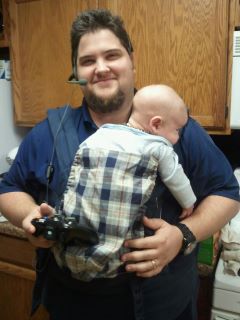
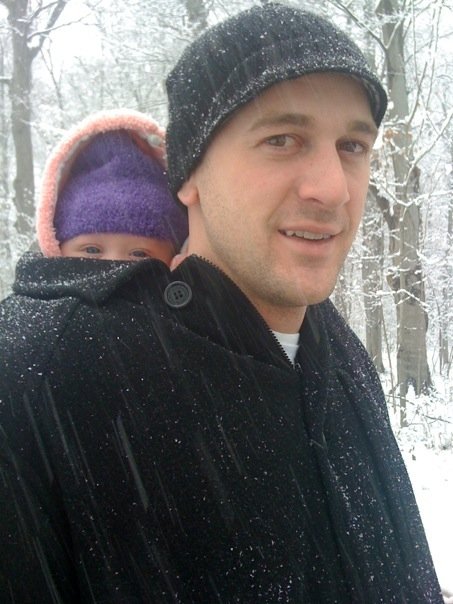
I love a man who wears a baby. Yep, I said it, it's hot!

Blame it on hormones if you want to, perhaps it is the combination of masculine testosterone and the maternal pull of a babies plump face that inclines me to gaze at a baby-wearing man as one would who is desiring to perpetuate the procreation of our species... but, again, it's hot!


Tell me that doesn't melt your girly insides!

Perhaps it is just the opposite attraction of both the brutish and the delicate. I love watching a masculine, rough man, lovingly and tenderly cradle a bub to his chest.

Whether he is walking around the big city.


Hanging with his heir around the house...

http://adventuresofthespencers.blogspot.com/

Or cooking...


Walking in the park...

http://www.needmoreacres.com/
Showing off mad slingin' skills to the camera...

http://www.facebook.com/ThingaMaSling w/ permission from Jenni Allan

Around the town...

http://www.needmoreacres.com/
Even if he is gaming while he does it!

http://www.betweenthekids.com/
In warm weather....
Mario Treadway (Alanis Morisettes husband)

Or cold...

Famous....
Orlando Bloom

Or not...

Starting young...

Or a veteran daddy...
http://www.prettyhandygirl.com/
I love men wearing their babies!

So let's give these daddies a hand; they understand their baby's needs to be loved, snuggled, hugged, warmed, and just plain worn!

11.17.2011

Sensationalism and Sleeping Arrangements


Recently the City of Milwaukee Health Department began circulating ads intended to dissuade co-sleeping amongst Milwaukee residents. Mayor Tom Bennett has made it a personal campaign to lower the incidence of SIDS within his city.
"In Milwaukee around 20% of infant mortality is attributable to a combination of Sudden Infant Death Syndrome (SIDS),  and Sudden Unexplained Death in infancy (SUDI). " - City of Milwaukee

"The Journal Sentinel said Milwaukee had an “infant mortality crisis.” Milwaukee’s infant mortality rate in 2009 was 10.4 deaths for every 1,000 live births, according to the city’s health department. As noteworthy as this overall rate is the racial breakdown: For white babies, the rate was 5.4; for blacks, 14.1, the JS said." - ABC News

Although that is commendable, what is not commendable is the way in which they are going about it.

The ads state: "YOUR BABY SLEEPING NEXT TO YOU CAN BE JUST AS DANGEROUS.”

Yes, it CAN be, if done like the pictures show, with a baby in one ad, on it's stomach, and, in another ad, with his head on a pillow and, in both ads, surrounded by down comforters and tucked in sweetly next to a butcher's knife.
"The second-leading cause of infant mortality in Milwaukee is SIDS, or sudden infant death syndrome, which often results from  ”unsafe sleep,” according to the health department’s website. A form of “unsafe sleep” is bed-sharing with parents." - ABC News 
The problem with this statement is two-fold. First, SIDS is defined as the cause of death of a seemingly healthy infant for no apparent reason. So, if the baby dies from SIDS, it is unexplainable. If the baby dies from asphyxiation due to unsafe sleep environment, whether or not it is co-sleeping, then one automatically has a reason for the death. 
The other side of the problem is that there are ways to SAFELY co-sleep, as well as ways to UNSAFELY co-sleep. Just as unsafe crib sleeping can result in a baby's death, so can unsafe co-sleeping.
"“Is it shocking? Is it provocative?” asked Bevan Baker, the city’s commissioner of health,  according to the Journal Sentinel. ”Yes. But what is even more shocking and provocative is that 30 developed and underdeveloped countries have better [infant death] rates than Milwaukee."
Of these deaths the majority die in an unsafe sleep environment. The City of Milwaukee Health Department strongly advises parents NOT to share a bed with their infant. This is based on an American Academy of Pediatrics 2011 Policy Statement which states that the risk of SIDS has been shown to be reduced when the infant sleeps in the same room as the mother, but the AAP recommends that infants not share a bed with parents or anyone else, due to increased risk." - ABC News  
 I would reply to this with, "is it shocking? Is it MISLEADING?". The answer to both of those is a resounding YES. The ads, like the information above, are erroneous.
"“If the ads make some people uncomfortable, I guarantee it’s a lot less uncomfortable than having another baby die from co-sleeping,” a cause of death that is “so preventable,” [Bennett] added." - ABC News 
Do you know what I would rather see parents given? Better information on how to keep their baby SAFE. Babies who are at an increased risk for SIDS:
  • African American babies are twice as likely to die from SIDS than Caucasian babies
  • Boys are at a greater risk as well
  • babies from parents who smoke, drink, or use drugs during pregnancy
  • babies from mother's who received no or poor prenatal care
  • babies who are premature or low birth-weight
  • babies born to mothers younger than 20
  • babies who live with family members who smoke or are routinely exposed to tobacco smoke following birth
  • overheating from excessive sleepwear and bedding
  • stomach sleeping

Now, Milwaukee is a cold area... this is coming from a person who has lived in Chicago and Michigan in the past. So, already, there will be a greater risk from babies being covered or dressed to warmly to snug against the cold weather. Additionally, Milwaukee has a high poverty rate, a high population of young mothers, and a high population of African Americans.  (all information taken from citystats and US Census).

Further, Milwaukee suffers from some of the strongest social and racial inequalities, is one of the fastest climbing populations of poor, and has some of the largest and fastest growing crime rates in the nation.Wisconsin is also reported to have a high population of smokers, and an obese population of over 63%. Although Wisconsin can tout low rates of teen pregnancies and births, Milwaukee cannot.
"The teen birth rate in Milwaukee is one of the highest city rates among all the industrial nations in the world. Teen pregnancy has a negative impact on educational attainment, physical and mental health, and financial well-being of the teen parent. The infants of teen mothers are more apt to die during their first year and/or be born prematurely." - City of Milwaukee Health Dept.
Milwaukee is noted for having an issue with women not getting good prenatal care, and many women don't even seek out prenatal care until the 2nd or 3rd trimesters. Part of that is due to limited access to care, as Wisconsin has cut funding for state medical assistance by over 16%, and part of that is the population to healthcare provider ratio being grossly unbalanced. There are also some very low breastfeeding rates reported, especially in one local hospital (under 50%)

In other words, I believe, as many do, that Bennett's ad campaign is short sighted, completely off-based, and being used as a panacea... when, in fact, UNSAFE co-sleeping is only part of the problem, as shown above.

Proper co-sleeping, in fact, has been shown to be safe. In fact, it can help reduce the risk of SIDS. How? A few of the ways include the fact that co-sleeping promotes more rest in baby and mom remains more alert, although rested. Add to that the fact that co-sleeping increases breastfeeding success, and breastfeeding reduces the risk of SIDs.

Instead of telling families not to co-sleep because it is as dangerous as letting your baby sleep with a knife, why not tell them that improper co-sleeping is dangerous. 

Safe Co-Sleeping follows these rules:
  • Babies will be of healthy gestation, and not low-birth weight
  • Family members within the home will not be smokers (baby will not be exposed to second hand smoke)
  • Specifically and especially, those in the bed with baby will not be smokers
  • Mom will be breastfeeding her baby
  • Babies will be on their backs, on firm, clean mattresses or bed mats (no couches, intersecting furniture, water beds, or rocking chairs)
  • Only light blanketing will be used, and never over the babies head (no use of heavy quilts or satin sheets)
  • The baby will not have stuffed animals or pillows either under their heads or near their bodies
  • Those sleeping with the baby should not be on any over-the-counter, recreational, or prescription medication, or be drinking any alcohol
  • Long hair should be tied back and grossly obese individuals should consider carefully whether they should co-sleep
When these rules are followed, co-sleeping is a safe and healthy option for a family and their baby. Dr. Sears even writes that co-sleeping results are as follows:
  • Research shows that co-sleeping infants virtually never startle during sleep and rarely cry during the night, compared to solo sleepers who startle repeatedly throughout the night and spend 4 times the number of minutes crying. Startling and crying releases adrenaline, which increases heart rate and blood pressure, interferes with restful sleep and leads to long term sleep anxiety.
  • Studies show that infants who sleep near to parents have more stable temperatures, regular heart rhythms, and fewer long pauses in breathing compared to babies who sleep alone. This means baby sleeps physiologically safer.
  • Worldwide research shows that the SIDS rate is lowest (and even unheard of) in countries where co-sleeping is the norm, rather than the exception. Babies who sleep either in or next to their parents’ bed have a fourfold decrease in the chance of SIDS. Co-sleeping babies actually spend more time sleeping on their back or side 1 which decreases the risk of SIDS. Further research shows that the carbon dioxide exhaled by a parent actually works to stimulate baby’s breathing.
  • The Consumer Product Safety Commission published data that described infant fatalities in adult beds. These same data, however, showed more than 3 times as many crib related infant fatalities compared to adult bed accidents. Another recent large study concluded that bed sharing did NOT increase the risk of SIDS, unless the mom was a smoker or abused alcohol. (all information taken directly from The Scientific Benefits of Co-Sleeping).

Milwaukee would do better to invest more in their African American and teen pregnancy programs, promote breastfeeding through in-home lactation education, and provide centering groups and insurance-covered midwifery care both in the hospital and outside of it. Likewise, they should make more of an effort to lower their alcohol, teen pregnancy, low-birth weight, and smoking rates. 

All there is left to say at this point is: City of Milwaukee and Mayor Bennett, shame on you. I'm sorry to say it, because I understand that they aren't meaning to give bad information or mislead parents into a false sense of security... but, since they have the very public ability to influence a large amount of the population, they are held to a higher standard - to make sure that science and research back up their claims, and that they give the public full and informed disclosure.

To petition the removal of these ads, please sign here


Additional Reading and Research:
CheckPoint
State Health Facts
LeapFrog group
University of Notre Dame Mother-Baby Behavioral Sleep Laboratory
Mother-Infant Cosleeping, Breastfeeding and SIDS
SIDS, Co-Sleeping, and Breastfeeding
Never Sleep With Baby?
PowerPoint on Media/Gov vs Fact
Dr. Sears on Co-Sleeping
California SIDS council on Safe Co-Sleeping
UNICEFs Safe Co-Sleeping Printable
Here's Your Knife, Milwaukee
Parenting Co-Sleeping Response
The Dangers of Demonising Bed Sharing 
Fearmongering
Don't Allow Your Babies To Sleep With Knives

6.14.2011

Postpartum Rituals


We talk a ton about pregnancy and birth, and even a lot about after birth/postpartum options. But what about rituals and postpartum care for the families healing/lying in time?

This is a great article about postpartum traditions around the world. You could easily adopt one of these or help arrange for something similar for women in your community who are having babies.

I know one of the 'traditions' in my community is to set up a list of women willing to bring meals to the new families every evening for the first 14 days. We deliver ready-to-serve meals that nourish the body and soul, and, as they sit down to eat, we do the day's dishes, sweep the kitchen and clean the counters, fold a load of laundry, or any other number of things. This is a small way in which to ease the transition into familihood.

One of the things I have considered doing for awhile is making a postpartum basket for moms and bringing it to their homes after baby is born... Perhaps this will even become my staple gift for mom's baby showers. Regardless if they choose hospital, home, or birth center births, I think that the items lovingly chosen in this basket could help them on their way to a speedy recovery:
  • Homemade herbal sitz bath - this is an awesome recipe I found online
  • Natural Nipple Cream - this can be made by combining equal portions of coconut oil, shea butter, and cocoa butter, then storing in old baby food jars.
  • Homemade Mother's Milk Tea - this is a great one. Every breastfeeding mama wants to make lots of milk.
  • Lactation Cookies - yummy, nutritional, and easy to snack on when mama needs an energy boost.
  • Washable Breast pads - a great alternative to disposables, with less risk of getting mastitis or thrush.
  • Mom and Baby Massage Oil - This can easily be made with two simple ingredients. 8 ounces of oil (olive, almond, apricot, or sunflower) and 1 ounce calendula flowers. Place the oil and calendula flowers in a crock pot on low temperature for about 4 hours to extract the beneficial properties of the calendula into the oil. Check very carefully that your oil is not getting too hot! Allow the oil to cool and then strain it using cheese cloth, store in a canning jar. Attach to the lid or the body of the jar instructions on mom and baby massage.
All of these projects combined would take me around 4-5 hours in one afternoon to make, and they are so beneficial and healing.

Let's get creative. Who else has good ideas for home made postpartum gifts?

6.09.2011

A Simple Question


Lesley is a wonderful woman, and fellow doula, that I have been privileged to get to know while I lived in Michigan. I asked her to write a post awhile back, and she has graced my blog with this poignantly honest glimpse into her personal life. TRIGGER WARNING: loss is mentioned.
“How many children do you have?”

A simple question many new moms have been asked in a variety of social settings right?  For most women the answer is simple, they state the number of children they have, their ages, girls or boys, and it sparks a conversation, maybe even a friendship.

For me, the answer is far more complex.  I assess the situation- ‘who am I talking to? How are they going to react?  Are they going to judge me?  Will they never talk to me again?’  I usually say “I have three living children.”  Or “I have three boys at home”.

Why would I say three LIVING children?  Because I carried a baby girl who was stillborn at 20wks. 

Many people in our society today do not think I should count the baby I lost. The death of a baby is still very taboo in our society.  No one wants to talk about it. They would prefer to think that is doesn’t happen, or at least it won’t happen to them or to someone they love.  I know this because I used to think that way, until it happened to me. 

I have been told that because she never took a breath outside of my womb that she didn’t exist. I carried within me, a tiny precious life.  My daughter was her own little person, 10 fingers, 10 toes, a tiny little body with her own cells, and DNA.  I have proof that she was alive within me.  There was a recent article posted here on this blog that said “In addition to all of the nutrients flowing from the mother to the fetus, some of the developing child’s cells pass back into the mother’s body.”  When I read those words it made my heart smile.  To me, this means that my daughter is literally a part of me, she changed my physical make up, and she gave me a part of her to live on.

People often have no idea what to say when they hear that a baby died and many choose to say nothing.  Nothing could be less comforting than silence.  Not talking about it will not make it go away.  People are afraid that if they say something, it will make me think about my daughter, or that it will make me sad.  My daughter is never far from my thoughts, others speaking her name is music to my ears.

Talking about her will not break me, for I am already broken, her death shattered life as I knew it.  I have slowly and carefully put a lot of those pieces back together.  Talking about her and remembering her is often the glue that holds some of those pieces in place.  Talking about her may bring a tear to my eye, because I love her and miss her. But it would be the same for any family member someone has lost.  If someone’s parent dies, do they never speak of them again?  No.  They fondly remember and pay tribute to them.  Why should the death of a baby be any different? 

My tribute to my daughter comes in the form of helping other families that have lost a baby.  Shortly after my daughter was stillborn, family and friends started asking my husband and I what they could do to help, we requested donations be made in our daughters name to a local non-profit, MomsBloom (They provide free in-home postpartum doula support to families after they have had a baby).

Being a lay postpartum doula, I wanted to find a way to offer that same tender, postpartum support, to bereaved families.  After discussing the need for more support for families that have lost a baby, the grief support program started taking shape, this was the beginning of Cameron’s Garden Grief Support Program.  I want to be able to give newly bereaved parents somewhere to turn when no one else understands, to offer a hand to hold, a shoulder to cry on, someone to help these families get started on a journey towards hope and healing.

When you ask me how many children I have, I will answer you honestly, “I have four beautiful children, three wonderful boys that bring me joy each and every day, and a daughter that I can not hold, but will carry in my heart forever.”

Lesley is a SAHM to 3 boys 6 ½ , 4 ½ , and 14m, four time survivor of PPD, and survivor of stillbirth. She blogs on her work and healing here. She is a lay postpartum doula and works in Grand Rapids, Michigan. MomsBloom is the community organization that she works within. To make a donation to Cameron's Garden, please go to their website and select 'make a donation'. Be sure to put "Cameron's Garden in the memo line.

She recommends the following resources for families experiencing a baby loss:

Thank you, Lesley, from the bottom of my heart, for sharing!

LinkWithin

Related Posts Plugin for WordPress, Blogger...

Total Pageviews